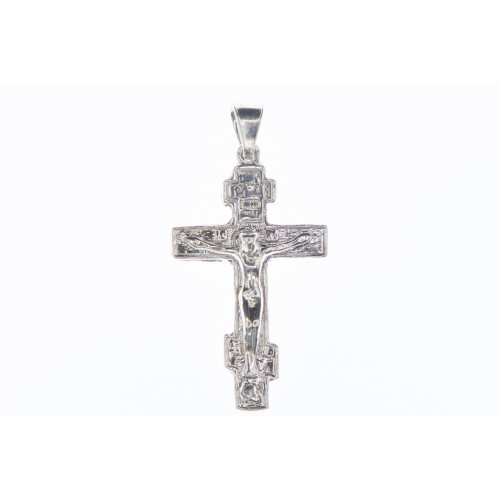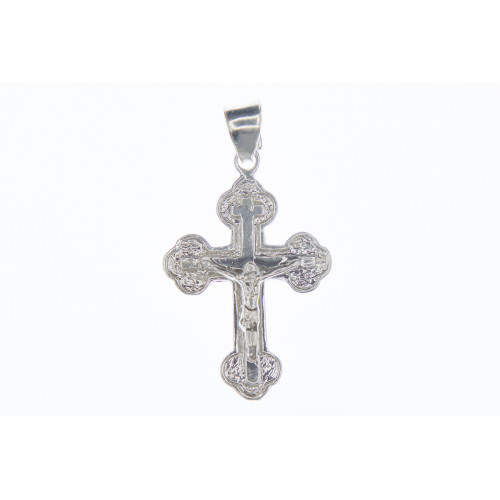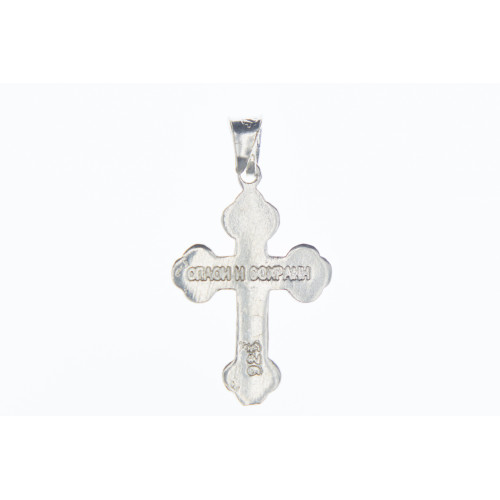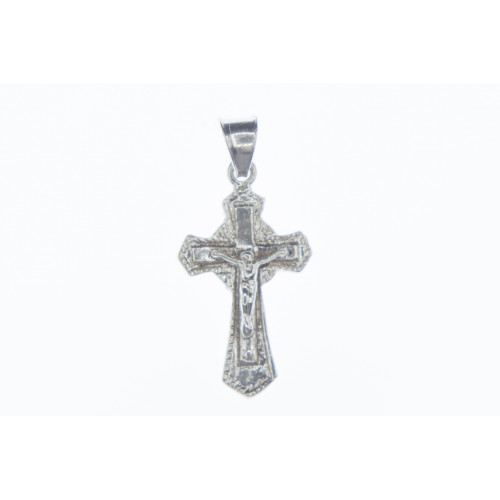

Jewish Pendant 1
The silver glinted under the soft light of the workshop, a small but heavy weight in Anton’s palm. It wasn’t just a piece of jewelry; it was a Star of David, hand-carved with a delicate filigree that seemed to hold the very air of Jerusalem within its silver threads. For David, this pendant was the final piece of a puzzle that had spanned three generations and two continents.
The Inheritance of Silence
The story began in a small apartment in Tel Aviv, where David’s grandmother, Rivka, kept a mahogany box tucked away in the back of her wardrobe. She rarely spoke of the life she left behind in Europe, but on David’s eighteenth birthday, she pulled out a weathered leather cord. At the end of it hung a silver pendant—tarnished, slightly bent, but unmistakably a Star of David.
“This stayed hidden when we could not,” she whispered. “It lived in the lining of a coat, in the hollow of a floorboard. It is the shape of our survival.”
The Search for the Artisan
Years later, after Rivka passed, David found himself looking at the pendant. Time had not been kind to the soft silver; the edges were thinning, and the intricate patterns his grandmother described were lost to decades of wear. He didn’t just want to repair it; he wanted to restore the soul of the piece.
His journey led him to the narrow, winding alleys of the Old City. He sought a craftsman who understood that a Jewish pendant is more than a religious symbol—it is a map of identity. He eventually found a small studio where the air smelled of polishing wax and history.
The designer, a man with a keen eye for cultural motifs, looked at the worn silver through a jeweler’s loupe. “This design,” the craftsman noted, “is a blend. It has the geometric precision of the Star, but the border has the flowing vines of a Tree of Life. We can recreate this, but we will make it stronger—for the next hundred years.”
The Crafting of Identity
For weeks, David visited the workshop. He watched as the wax mold was carved, ensuring every point of the star was symmetrical yet possessed that “human” touch that machine-made jewelry lacks. They decided to use high-grade sterling silver, giving it a high-polish finish that would catch the light even in the dimmest room.
On the reverse side, David requested a hidden detail: a small engraving of the word Chai (Life). It was his tribute to Rivka’s stories. The pendant became a bridge—one side representing the public faith of a people, and the hidden side representing the private strength of his family.
The Gift of the Beloved
The day David picked up the finished piece, it looked transformed. The filigree was crisp, the silver radiant. But the story didn’t end with David.
He had met Sarah during a rainy winter in Bethlehem, and their bond had grown through shared values and a deep respect for their heritage. On the eve of their engagement, overlooking the glowing lights of the Judean Hills, David presented her with a small velvet box.
“My grandmother saved this symbol so that one day, we could wear it without fear,” David said, his voice steady. “I had it remade for you, because you are the life I want to build.”
As Sarah put on the pendant, the silver rested against her skin, warm and bright. It was no longer a relic of the past or a hidden secret in a coat lining. It was a badge of love, a masterpiece of craftsmanship, and a testament to a story that was only just beginning.