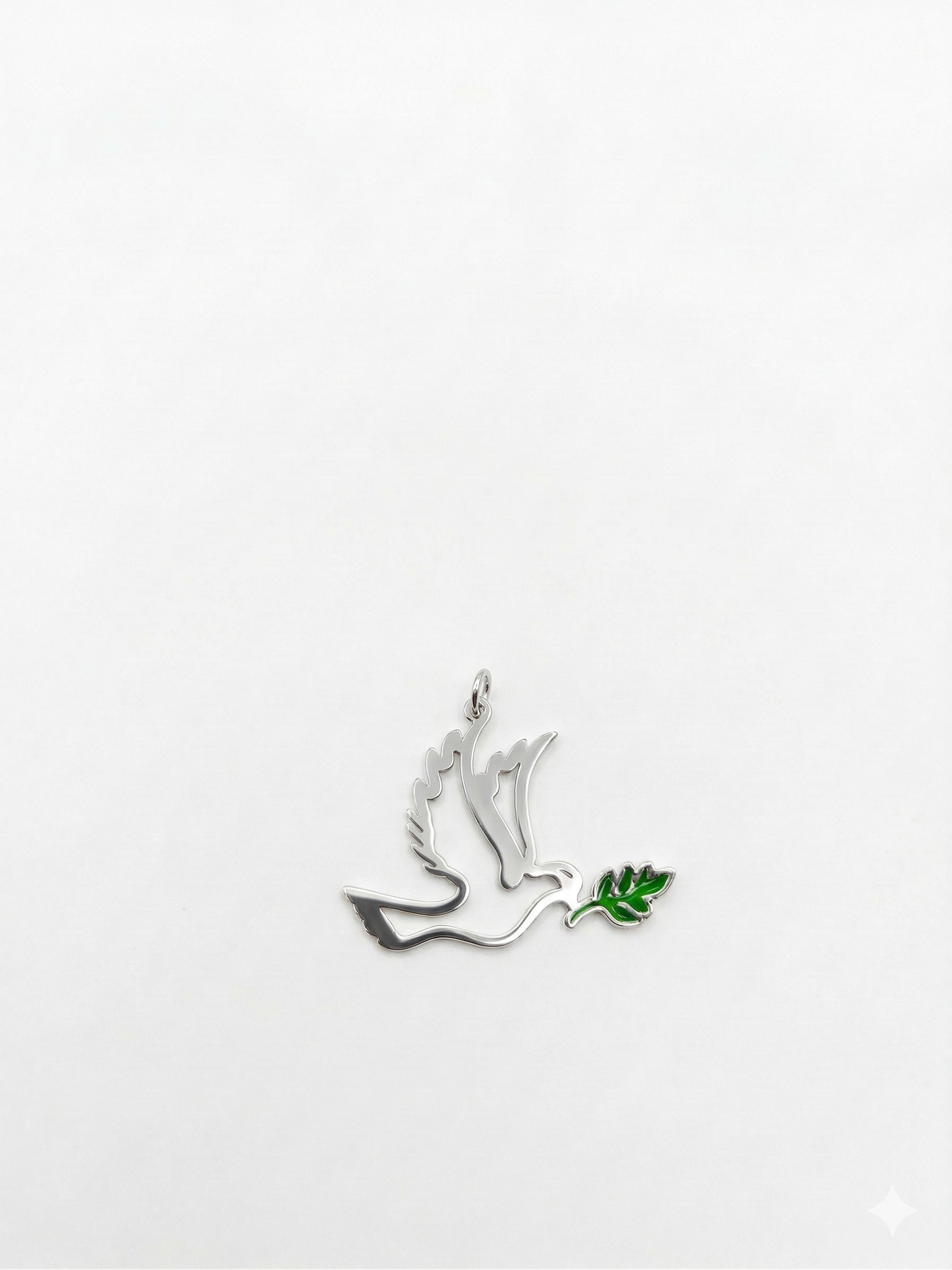
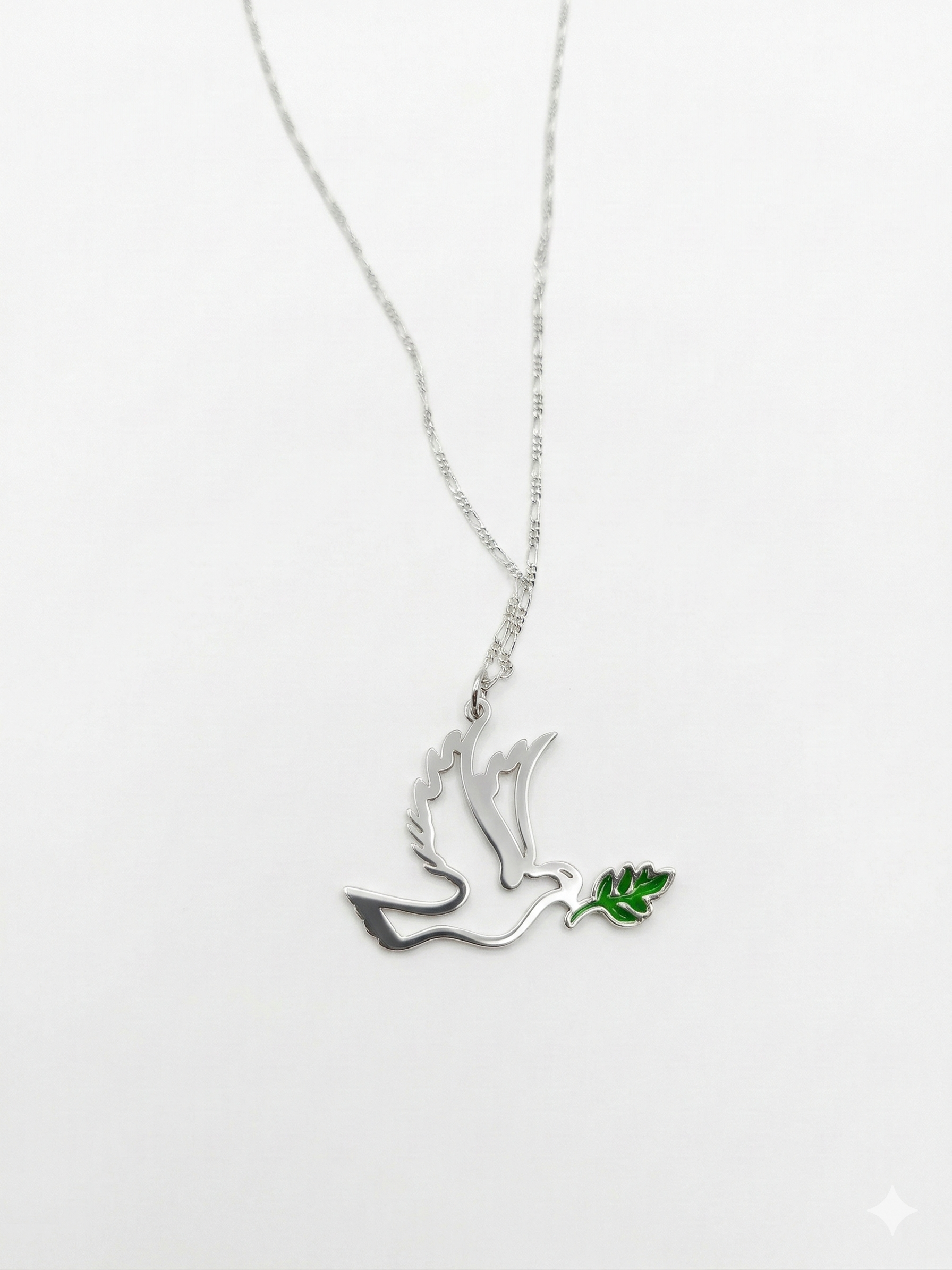
The image of a dove carrying an olive branch is one of the most universally recognized symbols of peace, yet its journey from ancient mythology to a modern icon of hope is a story that spans millennia, crossing through sacred texts, battlefield trenches, and the studios of world-renowned artists.
The Ancient Roots: A Sign of Life
The story begins in the ancient Near East. In the narrative of the Great Flood, Noah releases several birds from the ark to see if the waters have receded. First, he sends a raven, which flies back and forth without success. Then, he sends a dove. On its second flight, the dove returns in the evening with a freshly plucked olive leaf in its beak.
This simple act transformed the bird into a messenger. In this context, the dove didn’t just represent “quiet”; it represented reconciliation. It was the signal that the conflict between the heavens and the earth had ended, and that life was once again sustainable. The olive tree, known for its hardiness and ability to sprout even after severe pruning, became the perfect partner to the dove—a symbol of persistence and the regrowth of civilization.
From Sacred to Secular: The Greek and Roman Influence
While the Semitic traditions viewed the dove through a lens of divine peace, the Greeks associated the bird with Aphrodite, the goddess of love. To the ancients, love and peace were two sides of the same coin; where there is love, there cannot be war. The Romans later adopted this, linking the dove to Venus.
However, it was the early Christians who solidified the dove as a symbol of the “inner peace” of the soul. In catacombs and early stone carvings, the dove was often depicted alongside the word Pax (Peace), representing the soul’s rest after the struggles of earthly life.
The Modern Transformation: Picasso’s “La Colombe”
The dove’s transition from a religious icon to a global political symbol happened in the wake of the 20th century’s most devastating conflicts. In 1949, the World Peace Congress in Paris needed a logo that could transcend language barriers and political ideologies.
They turned to Pablo Picasso.
Picasso’s father had been a painter of birds, and Picasso himself kept pigeons and doves as pets. He created a simple, elegant lithograph of a white dove on a black background. This image, known as La Colombe, became an overnight sensation. It was plastered on walls across Europe, a continent still scarred by World War II.
Interestingly, Picasso’s personal view of the bird was a bit more grounded. He famously joked to his friend Henri Matisse that doves were actually quite aggressive and “vicious” little birds. Yet, he understood the power of the image. For a world exhausted by the machinery of tanks and planes, the fragile, soft white feathers of a dove represented the vulnerability of the peace they were all trying to protect.
The Dove in the Crossfire
Throughout the Cold War, the Peace Dove became a tool of diplomacy and protest. It appeared on posters during the Vietnam War protests and was integrated into the flags of countless international organizations.
In many cultures, the story of the Peace Dove is also one of sacrifice. During the “Truce of God” in medieval Europe, the church used the symbol to demand temporary ceasefires during harvest seasons. The dove reminded soldiers that there was a world worth returning to—a world of fields, families, and quiet.
Key Themes of the Peace Dove
| Era | Primary Meaning | Context |
| Ancient | Survival & Rebirth | The end of the Great Flood |
| Classical | Love & Beauty | Associated with Aphrodite/Venus |
| Modern | Human Rights | Picasso and post-WWII activism |
The Story Continues
Today, the Peace Dove is no longer tied to a single religion or nation. It appears in digital emojis, in the logos of the United Nations, and in the hands of children during peace marches.
The true “story” of the Peace Dove is that it represents a universal human desire. We live in a world that is often loud, divided, and chaotic. The dove, with its silent flight and simple olive branch, serves as a reminder that peace is not just the absence of noise—it is a proactive choice to bring a “green leaf” back to the ark, to show others that the storm has passed and that it is safe to begin again.
As long as there is conflict, there will be a need for the messenger. The Peace Dove remains the most powerful silent storyteller in human history, whispering that even after the greatest floods, life finds a way to bloom.