Handala
The Birth of a Witness
Handala first appeared in the Kuwaiti newspaper al-Siyasa in 1969. At the time, Naji al-Ali was searching for a way to express the collective experience of the Palestinian people following the Nakba (the 1948 displacement) and the Naksa (the 1967 war).
Handala was born as a ten-year-old boy, and he remains ten years old to this day. In al-Ali’s words:
“He was the age I was when I left Palestine, and he will not grow up until he returns to Palestine.”
He is portrayed with ragged clothes and a few spikes of hair, looking like a desert hedgehog—symbolizing the “spiky” resilience and the harsh reality of life in the refugee camps.
The Turning of the Back
Initially, Handala was drawn facing the reader. However, in 1973, following the October War, Naji al-Ali made a profound artistic decision: Handala turned his back.
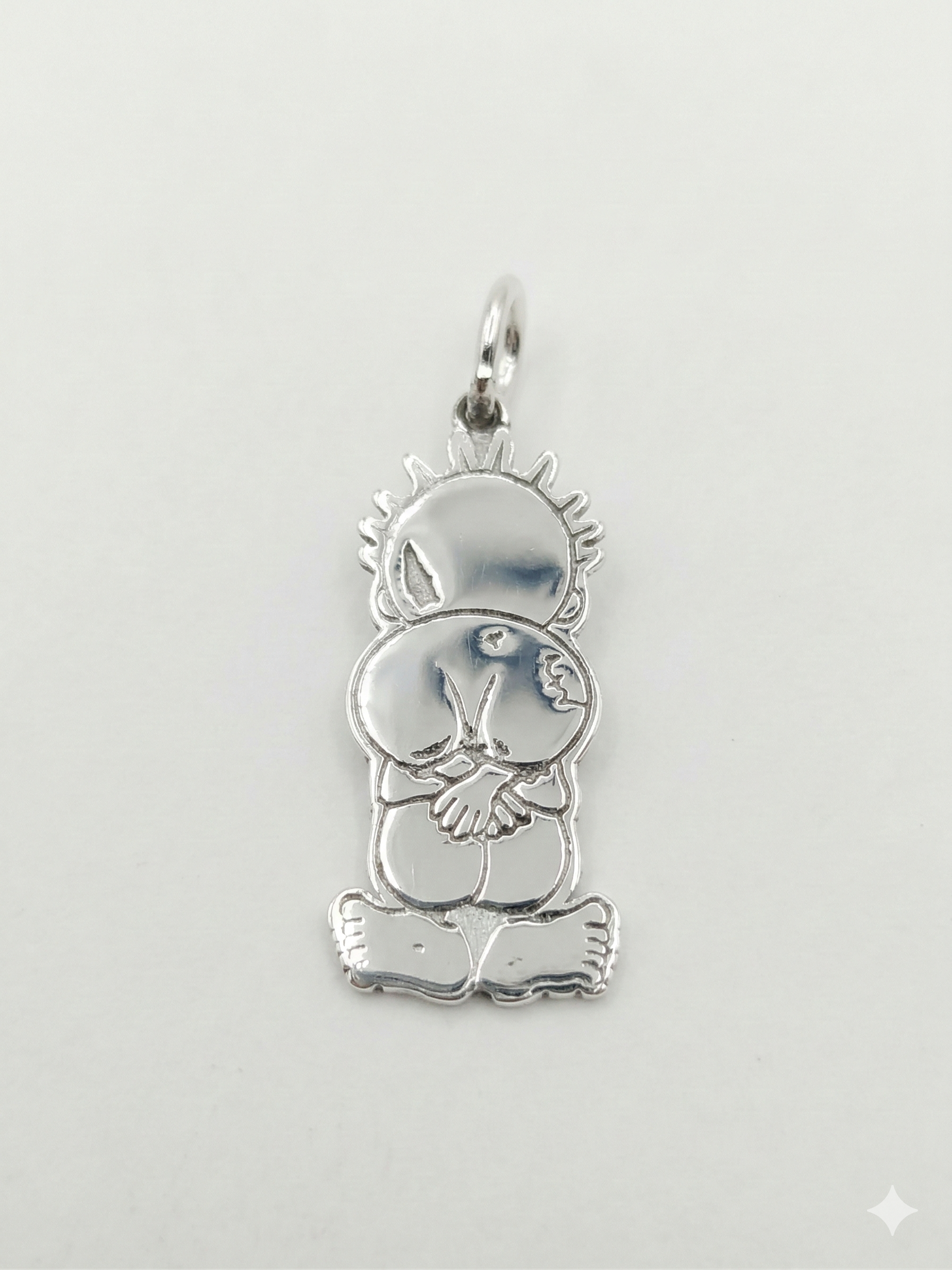
This posture was a political statement. By turning his back to the viewer, Handala was rejecting the “solutions” being proposed by international powers and regional leaders that did not address the fundamental rights of the Palestinian people. His clasped hands behind his back symbolized a refusal to participate in the political games of the era.
He became an outsider looking in, a silent observer of the betray of promises and the fragmentation of the Arab world. By facing away from us, he forces the viewer to look at what he is looking at—the injustice, the occupation, and the struggle—rather than focusing on his face.
A Symbol of Class and Struggle
Handala was never meant to represent the elite or the politicians. He was the voice of the “poor and the crushed,” as al-Ali often described him. His tattered clothes and bare feet are reminders of the poverty of the refugee camps in Lebanon and Jordan.
In al-Ali’s cartoons, Handala is often seen:
-
Throwing stones at tanks.
-
Writing revolutionary slogans on walls.
-
Standing silently next to a weeping mother.
-
Pointing an accusing finger at corrupt officials.
He became a “moral compass.” If a political decision didn’t sit well with Handala, it wasn’t a good decision for the Palestinian people. He represented the “true” Palestine—the one that exists in the hearts of those who lost their homes.
The Martyrdom of the Creator
Naji al-Ali’s work was dangerously honest. He criticized everyone: the Israeli occupation, Arab regimes, and even Palestinian leadership when he felt they were compromising too much. This uncompromising stance eventually led to his assassination in London in 1987.
Though his creator was silenced, Handala became immortal. After al-Ali’s death, the symbol exploded in popularity. It moved from the pages of newspapers to the walls of the West Bank, the gates of refugee camps, and eventually into the global consciousness.
Handala in the Modern World
Today, Handala has transcended his original context. He is no longer just a Palestinian symbol; he has become a universal icon for the oppressed and those who refuse to surrender their dignity.
The Iconography of Resistance
You will find Handala in almost every corner of Palestinian life:
-
Graffiti: Handala is the most common image on the separation wall in the West Bank, often depicted alongside modern slogans of resistance.
-
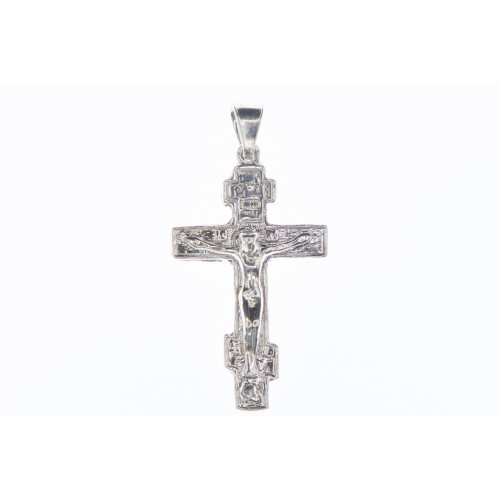
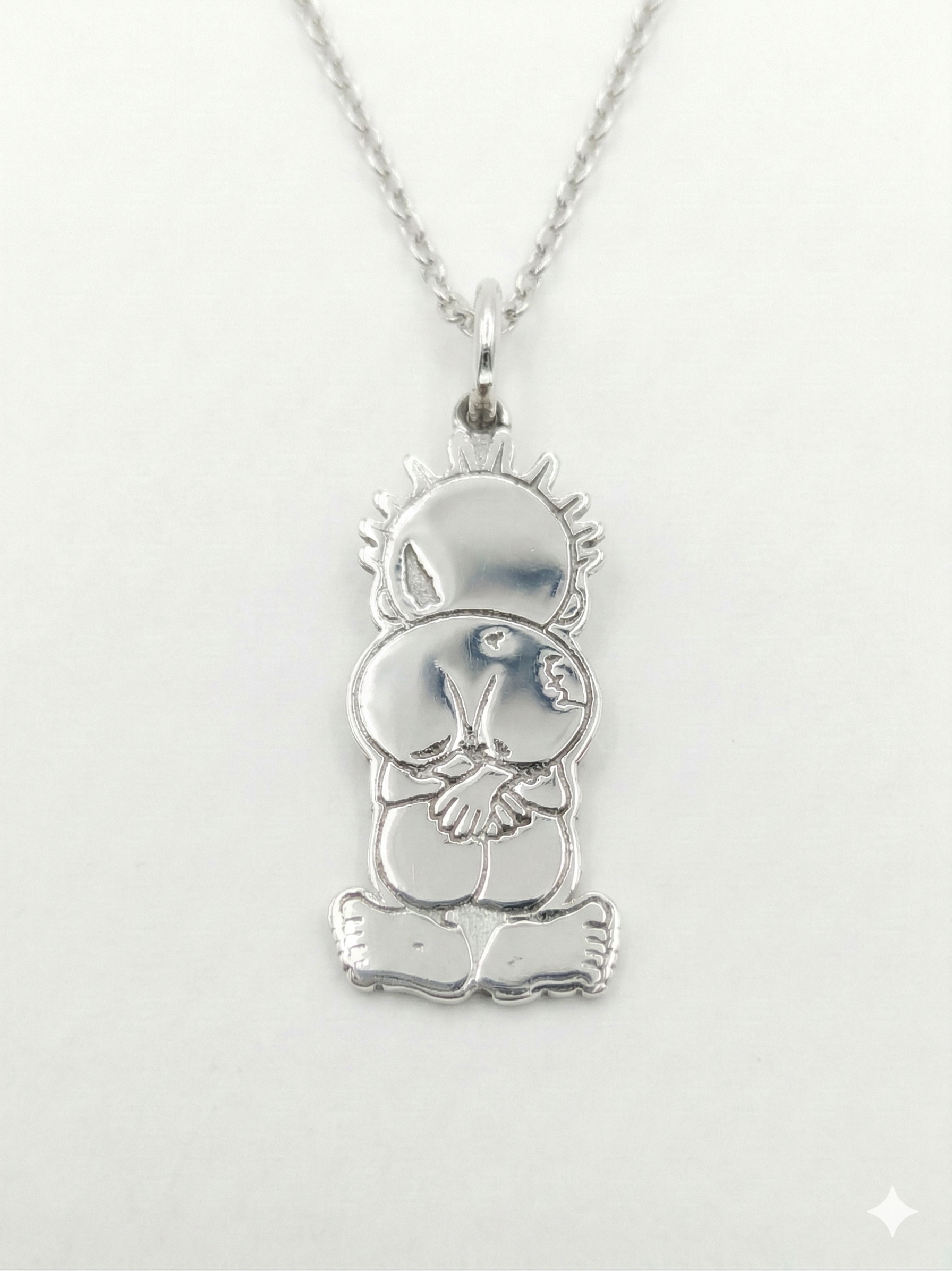
Jewelry: He is frequently cast in silver and gold, worn as pendants by Palestinians in the diaspora to signify their “Handala-like” refusal to forget their roots.
-
Digital Media: Handala appears in social media avatars, digital art, and even as the logo for various human rights organizations.
The Meaning of the Spikes
The few hairs on Handala’s head are often interpreted as a defense mechanism. Like a hedgehog, he is soft on the inside (full of love for his land) but prickly on the outside to protect himself from a world that has often tried to erase him. He is the personification of Sumud (steadfastness)—the Palestinian concept of remaining rooted to the land despite all odds.
The Return of the Face
The story of Handala is one with a “missing” ending. Naji al-Ali famously said that Handala would only turn around and show his face to the world when Palestine is free and he is able to return to his village.
Until that day, he remains a ten-year-old boy with his back to us, standing in the sun, reminding the world that as long as there is injustice, there will be a witness. He is the guardian of memory, ensuring that the names of the lost villages and the stories of the elders are never truly erased from the map.