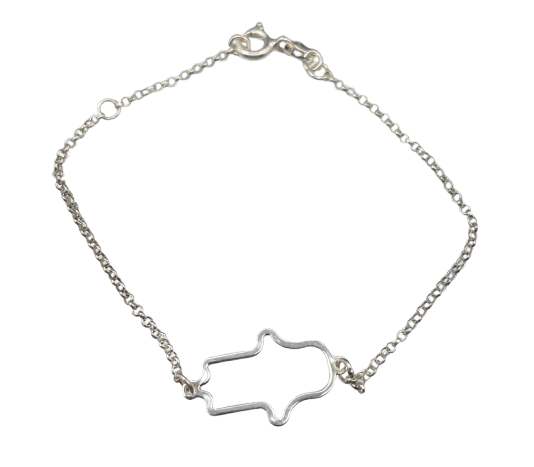
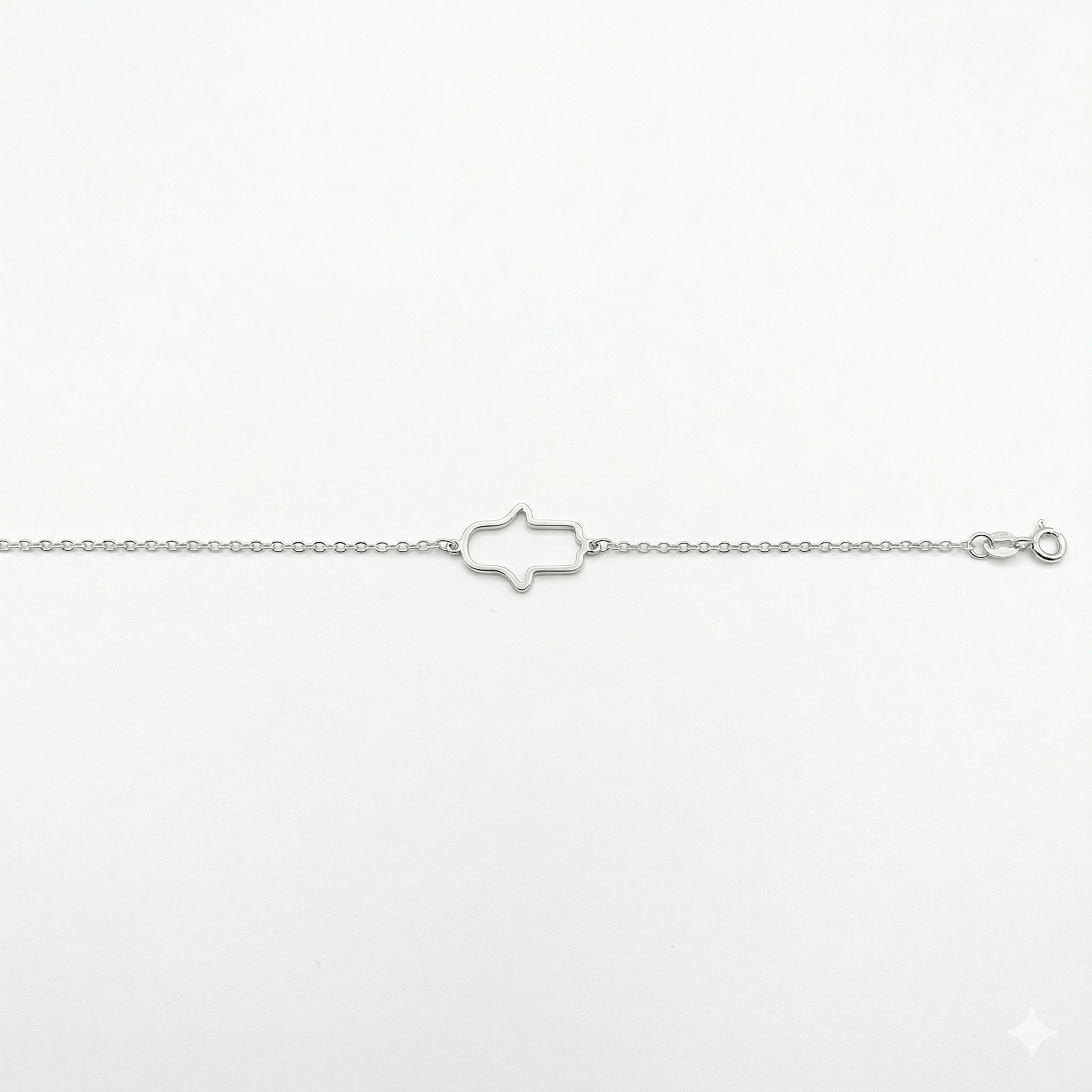
Stop The Evil Hand Silver Bracelet
https://bethlehemjdc.com/product/stop-the-evil-hand-silver-bracelet/

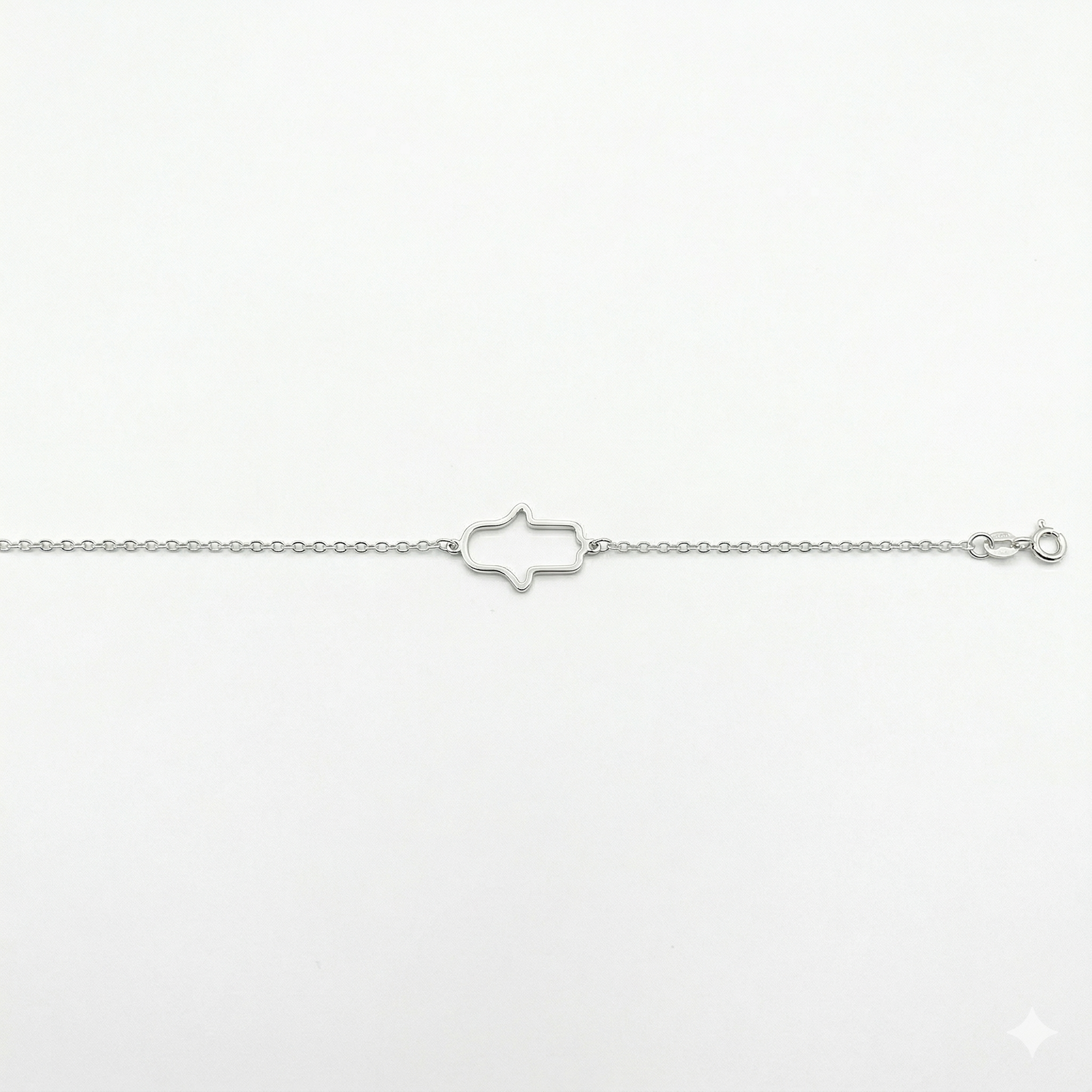
The Meaning and Origin of the Hamsa
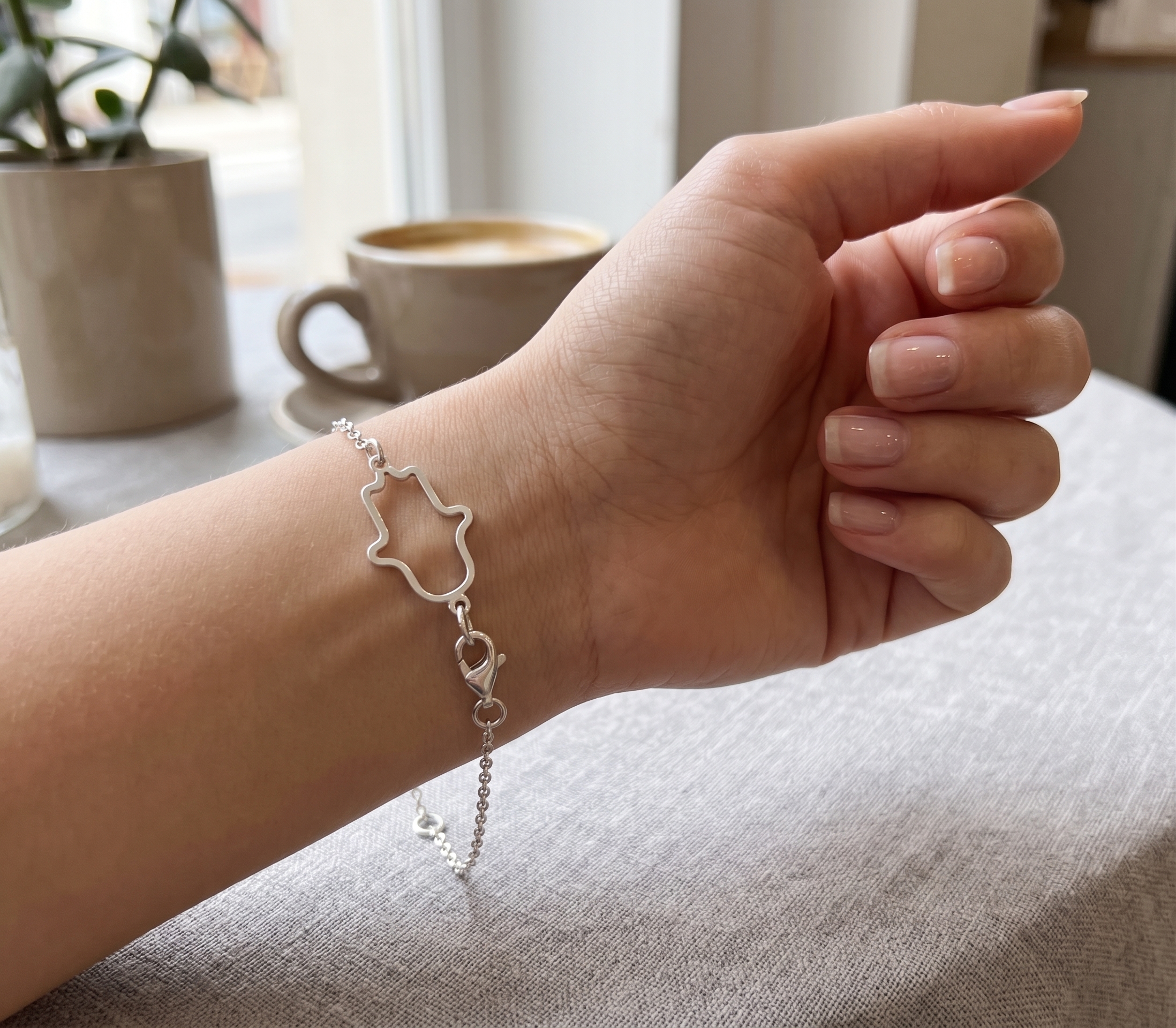
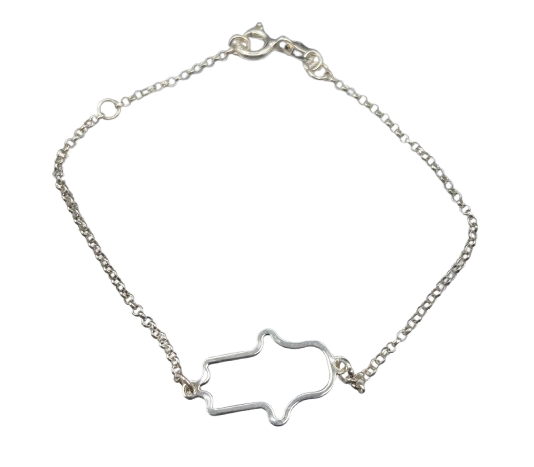
The Jewish Hand Bracelet carries deep cultural and spiritual meaning. For instance, people commonly call it a “Hamsa” bracelet. In Arabic, the word Hamsa means “five.” Shaped like an open hand, it consequently symbolizes protection, good fortune, and blessings.
This ancient motif spans Middle Eastern and North African cultures. Furthermore, it transcends religious boundaries. As a result, people of many faiths connect with it today.
Overall, the bracelet serves as a beautiful accessory and a powerful talisman. Therefore, it embodies the wearer’s hope and well-being.
Historical and Spiritual Roots
Historians trace the Hamsa back to ancient civilizations like the Phoenicians. For example, ancient artifacts and art frequently feature the design.
Additionally, Jewish tradition connects the Hamsa to Miriam, the sister of Moses. Believers celebrate her strength and courage.
The hand motif symbolizes God’s protective power. Specifically, many call it the “Hand of Miriam.” Because of this belief, people trust it shields the wearer from negative energy.
Artisans frequently craft the Hamsa into jewelry. In addition, people hang it in homes to invite divine blessings.
Craftsmanship and Personal Style
As a bracelet, the Jewish Hand expresses both fashion and faith.
Jewelers make the bracelet from silver, gold, or leather. For example, many designs include colorful gemstones or engravings. Consequently, each piece reflects the artisan’s personal creativity.
However, the bracelet caters to diverse tastes. Thus, wearers choose a style that fits their aesthetic while honoring its meaning.
Protection and Well-Being
As a talisman, the bracelet promotes emotional well-being. Moreover, it brings good fortune into daily life.
Many individuals find comfort in the Hamsa. For instance, they trust it to ward off adversity and bad luck.
Furthermore, the bracelet reminds the wearer to stay grounded. Thus, it builds resilience along life’s journey. Because of this value, it attracts people who seek positivity and spiritual connection.
Building Cultural Bridges
In addition, the bracelet sparks meaningful conversations. For example, it connects people from different backgrounds.
Diverse cultures embrace the Hamsa today. Consequently, this shared appreciation encourages dialogue about unity.
Therefore, wearing the bracelet builds bridges between communities. As a result, it fosters respect across different traditions.
Gifting and Caring for Your Bracelet
The Jewish Hand Bracelet also makes a wonderful gift. For example, gifting this piece conveys heartfelt wishes for protection. Moreover, it honors the recipient’s values.
Thus, it creates an enduring connection. Indeed, it often becomes a cherished keepsake. For instance, during birthdays or graduations, the bracelet offers spiritual support and blessings.
However, proper care depends on the bracelet’s materials:
-
Silver and Gold: A soft cloth cleans metal pieces. Therefore, it restores their shine quickly.
-
Leather: Meanwhile, leather bracelets require specific conditioning over time.
-
Gemstones: Similarly, gemstone designs need specialized care to maintain their quality.
Ultimately, taking care of the bracelet preserves its beauty. Because of this effort, it honors its deeper meaning.
Modern Fashion and Evolving Designs
Recently, the Hamsa bracelet gained popularity in modern fashion. For instance, celebrities incorporate the symbol into contemporary outfits.
This trend elevates the Hamsa in the fashion world. However, it preserves its heritage at the same time. Consequently, it remains a stylish statement piece while honoring rich tradition.
Additionally, designers often blend the Hamsa with stars, moons, or evil eyes. For example, this mix creates fresh interpretations while retaining the energy of each symbol. Thus, these evolving styles keep the Hamsa relevant today.
In conclusion, the Jewish Hand Bracelet blends rich cultural and spiritual meaning. Therefore, it remains a timeless symbol of resilience. By wearing it, individuals express hope, celebrate their identity, and connect with others.